For many of us, Christmas is a cherished time. A time for rest, good food and drink and cosy moments with family and friends. But beyond these things, what is Christmas really about? Why do we celebrate Christmas at all?
One way of answering that question is by asking another: if God exists, if he is good and if he desires some form of relationship with us as human beings; how would he then choose to reveal himself to us?
He could come in great power and glory, with thunder and spectacle, making it unmistakably clear who he is. In such a way that no one could doubt either his existence or his identity.
The problem with that is that God wants more than mere acknowledgement. He does not simply want to convince us that he exists; he wants a relationship with us. A relationship that is mutual, where we do not choose to believe in him because he has forced himself upon us but because we have come to know him and freely chosen him.
A man who is in love with a woman could, in theory, do several things to be with her. He could kidnap her and lock her away. He could bribe her and offer her money in exchange for her company. But none of these approaches would achieve what the man ultimately desires: that she would respond with mutual love and choose him freely.
To make that possible, the man would need to take an entirely different approach. He would need to create opportunities for them to get to know one another on equal terms. He would need to find ways for the woman to discover who he is, so that she might eventually respond to his love with love of her own.
This is precisely what makes Christmas so extraordinary. When God chooses to reveal himself to us, he does not do so from a distance, as a cosmic force that cannot be denied. Nor does he come as a powerful king with a great army, whom everyone obeys simply because they dare do nothing else.
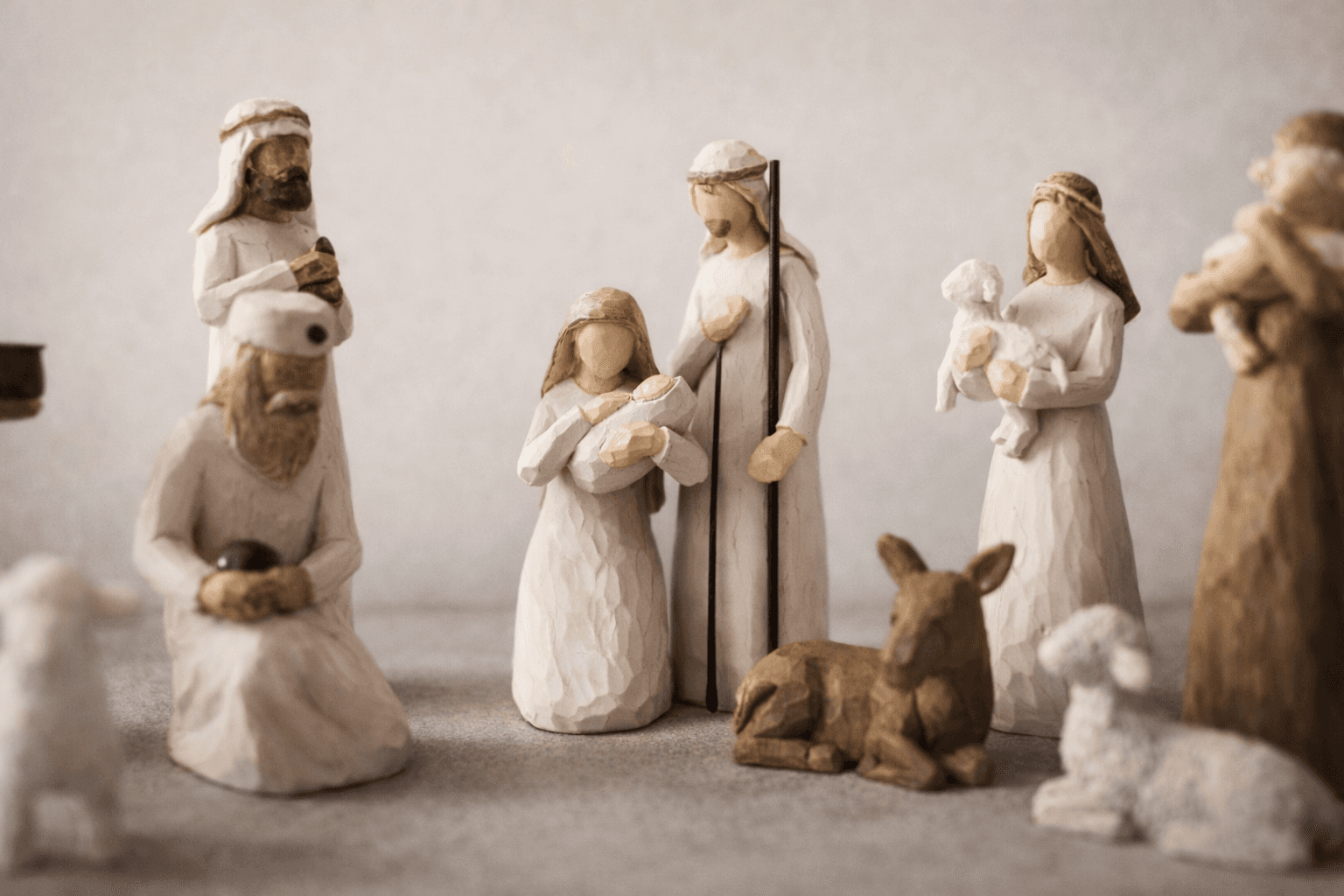
No, when God reveals himself to humanity, he does so by being born as a defenceless child. He becomes one of us in the person of Jesus. He becomes human at a specific moment in history. He shares our reality and lives a life like ours. He makes himself present and accessible; not in a way that forces us to accept him regardless, but in a way that leaves room for freedom. He does not impose himself upon us against our will, but he comes to us; and for those who are curious, for those who long for more and for those who seek, he is there.
This is what Christmas is about, and it is at once both incomprehensible and wonderful. Incomprehensible because we can never fully grasp that God becomes one of us and comes in such an unassuming way that we might almost miss him altogether. Yet wonderful, because it reveals the love he has for us; a love that finds a way into our lives and creates the possibility for us to come to know him.