Christians believe God truly hears and answers prayer — but what do we do in the space of waiting? Drawing on the story of the ten lepers in Luke 17, this article reflects on how easily we can miss God’s answers, why delay may be part of his purpose, and how prayer gradually forms us in faith, patience and gratitude as we trust him in the everyday.
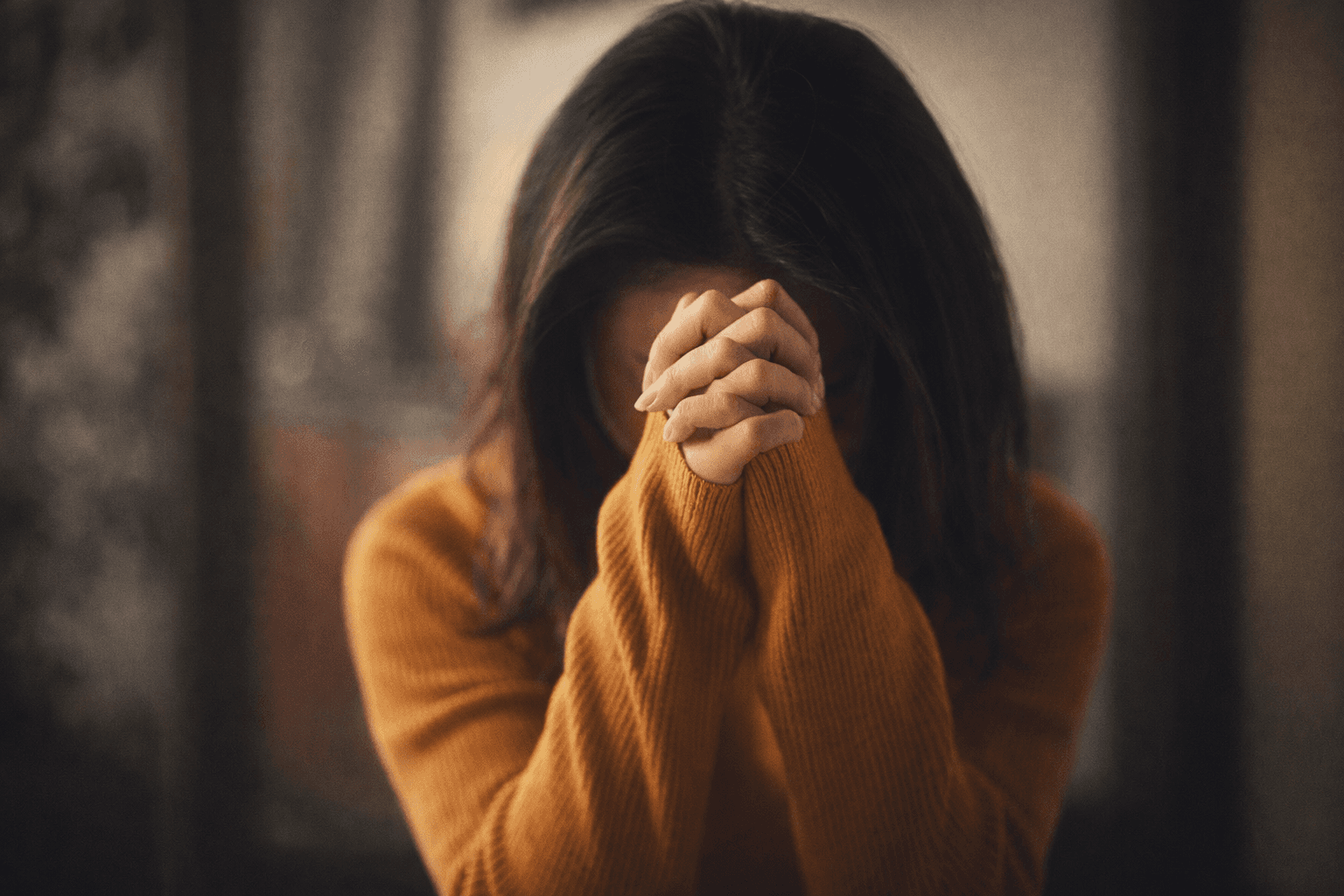
For many who approach the subject of prayer, a key question is whether God answers prayer at all. Is he truly there and is he interested in my life? For Christians, however, the situation is rather different. We can say with confidence that God does indeed answer prayer. “Seek and you shall find, knock and the door shall be opened, ask and you will receive” is Jesus’ promise to his people.
The challenge for the Christian, then, is not primarily whether God answers prayer, but how we navigate the uncertain times in between. The times of waiting, confusion and unfulfilled desire. Where is God then and why does it take so long?
One aspect of this can be seen in Luke 17, where the evangelist tells the story of ten lepers who approach Jesus and ask him to heal them. In accordance with Jewish custom, Jesus tells them to go and show themselves to the priest. As they go on their way, they receive their miracle. The twist in the story, however, is that only one of the ten returns to Jesus to thank him for what has been done.
This can reflect the reality of our own lives as well. Not that God fails to answer our prayers, but that we fail to recognise his answers. We are eager to ask, but once things resolve themselves, we are quick to embrace our new circumstances and move on so swiftly that we fail to stop and recognise the goodness God has shown us.
Sometimes this is because God’s intervention works itself out through the dealings of everyday life, under the guise of ordinary circumstances. The ten lepers were not healed in the moment of prayer, but rather as they went on their way in obedience to Jesus’ instruction. Once healed, they were already moving towards their new reality and so stopping to recognise God’s miracle was easily sidelined.
Perhaps this is why the Christian tradition urges us to remain on guard against spiritual dullness and instead to cultivate a habit of thanksgiving. Jesus rebukes his disciples for failing to see what he is doing and the saints, through their example, point us towards a life of gratitude. “How happy I am to see that God is so good to me, even in little things,” St Thérèse of Lisieux used to say.
Do we say our prayers trusting that God truly hears and answers? Do we live with an expectancy that God’s goodness is unfolding in our daily tasks and duties? Do we remember what we have asked him for and are we attentive to his intervention? Do we keep track of God’s goodness in our lives and do we cultivate a habit of gratitude?
In my Bible, I keep a small card where I have written down things God has done for me, alongside things I am currently praying for. This is not a sign of my piety, but rather a recognition of how quickly I otherwise forget. I find it helpful to recall, quite practically and intentionally, God’s goodness in the past in order to continue trusting in his faithfulness for the future.
Another aspect of living in the space of unanswered prayer is that, in order for God to change our circumstances, he sometimes also needs to change us. God is happy to bless us with good things, but new things often come with new burdens of responsibility or increased scrutiny. When we are waiting, it may be that God is in the process of making us more skilful in the life of virtue, training us not only to obtain what we are praying for, but also to sustain it. He wants us to be able to carry the weight of what we are asking for well, rather than be crushed by it.
The life of prayer therefore goes hand in hand with our sanctification. Over time, prayer shapes us, training us to live the Christian life with greater steadiness and faithfulness in the ordinary, often unnoticed, steps of daily life. As we contend for things in prayer, we then, to the best of our ability, pursue the Lord’s way in whatever circumstances are set before us. By the power of his presence, we are step by step made stronger in our faith and more skilful in the ways of virtue. Even in times of shortage and uncertainty, our hearts can become more firmly established in his peace and presence.
So if you are downhearted or discouraged, take heart. God has not given up on you or on his purposes for your life. He is good, for you and on your side. In fact, it may be that the very reason things take time is that he has more in store for you than you currently envision. He may be preparing you for greater things to come.
Finally, this leads us to the larger horizon. Our lives do not end with ourselves. The things God blesses us with are often not for us alone. The few brief years we are given on this earth are not ultimately about our immediate wellbeing, but about a hurting and broken world in desperate need of the beautiful Saviour you and I have been privileged to discover. Whatever we are praying for right now is not, in the end, only about the gift itself, but about the Giver and the people he so dearly loves.